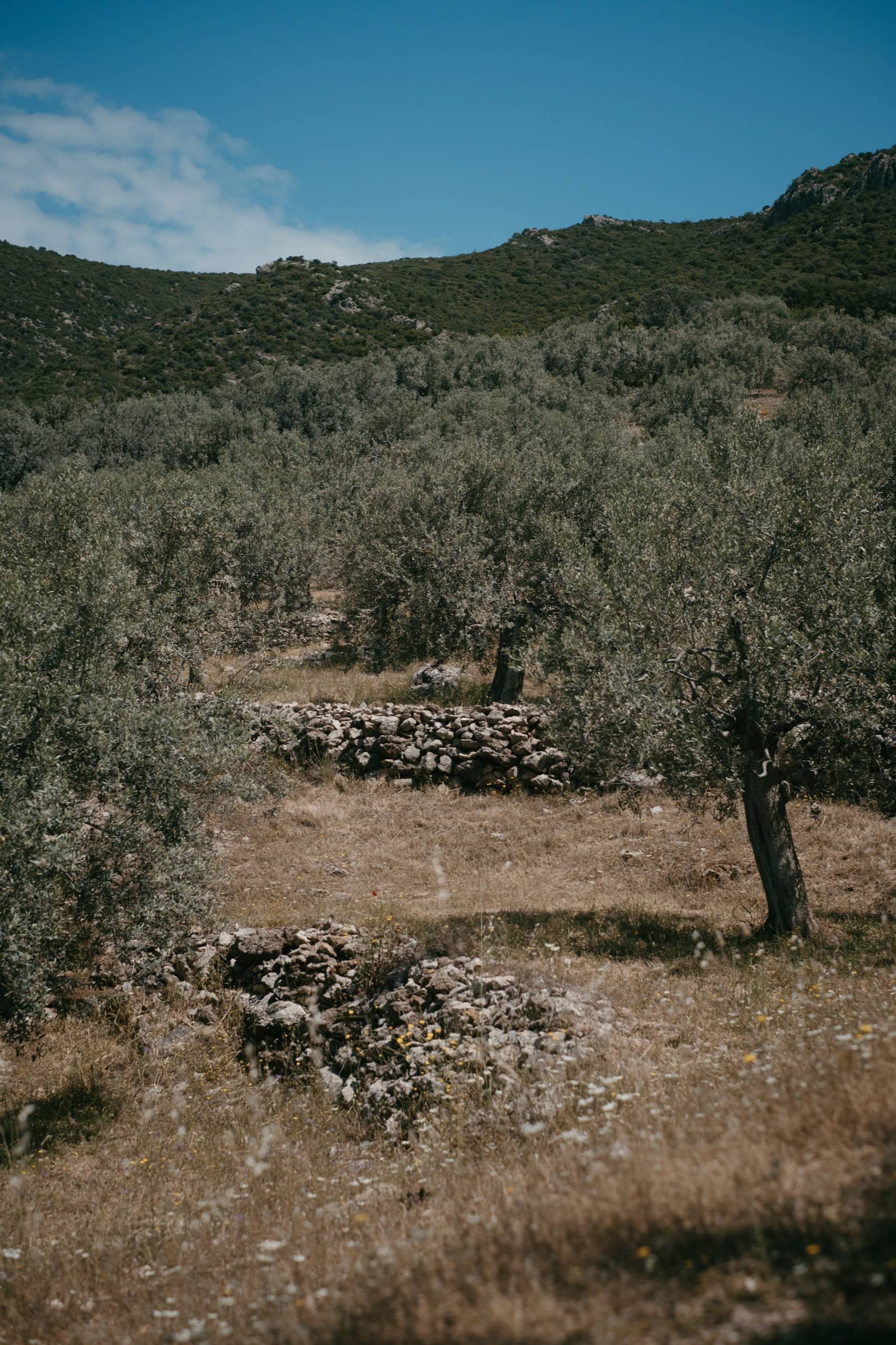
Thyrea Pilot Farms
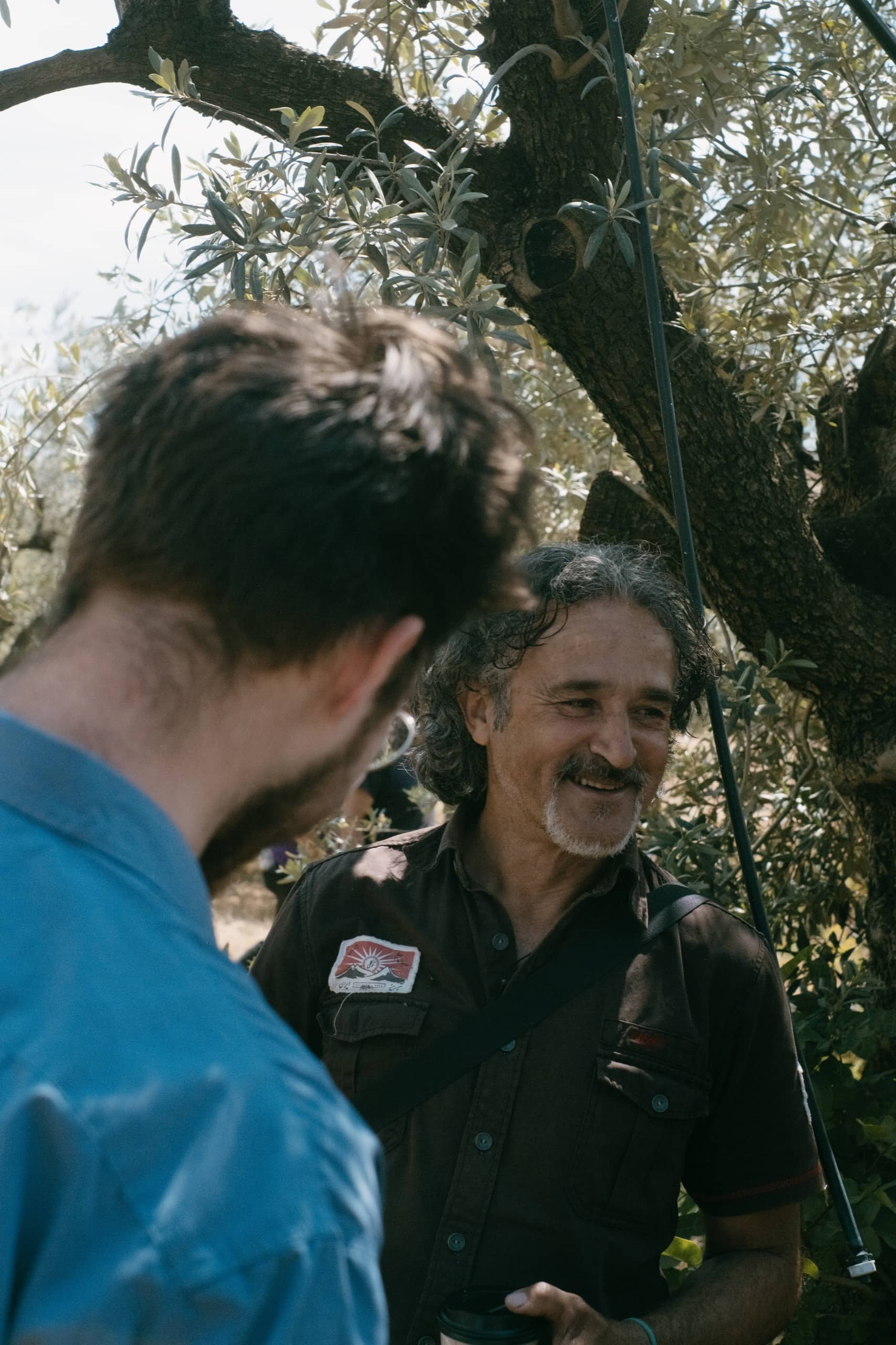
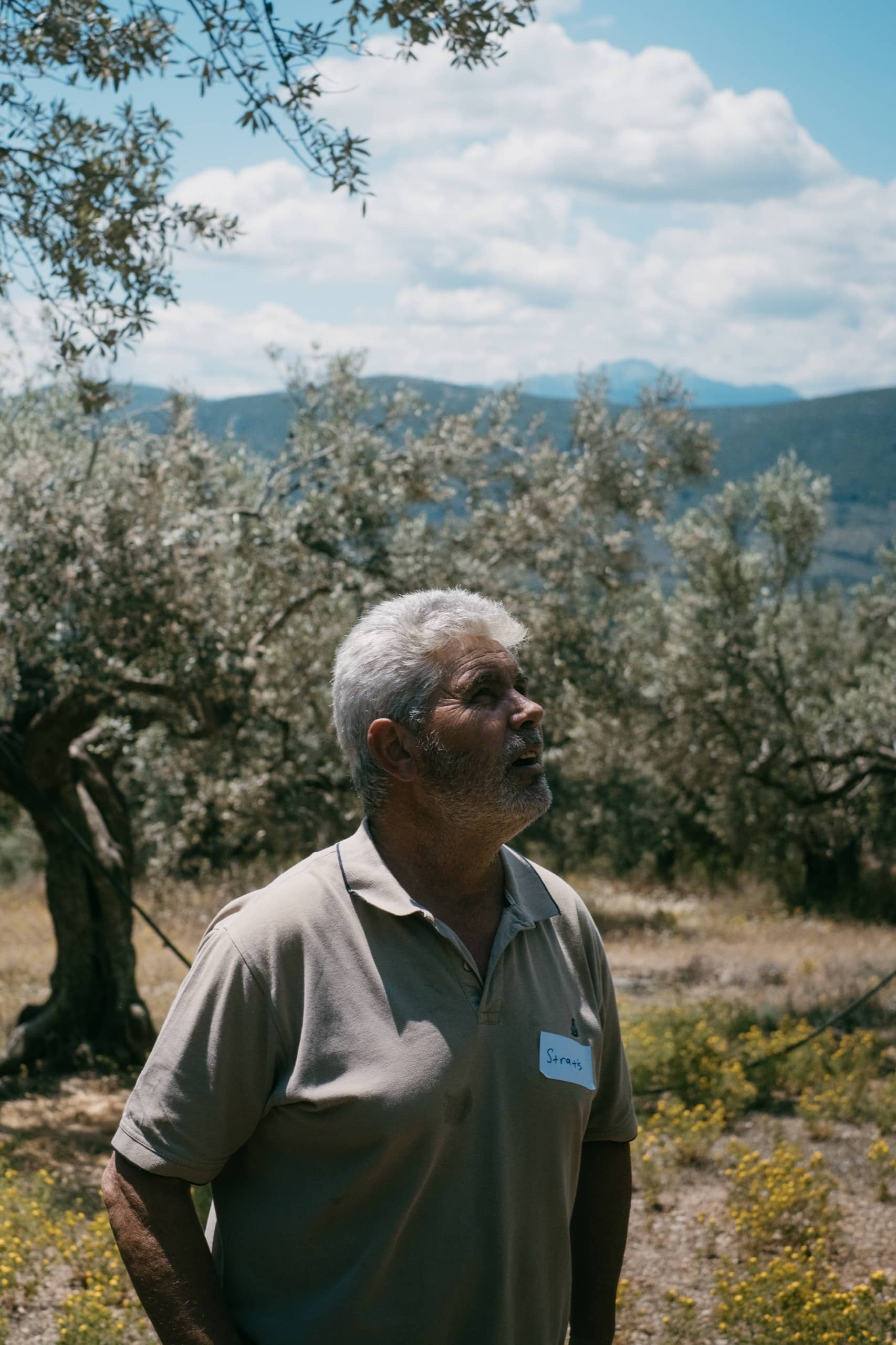
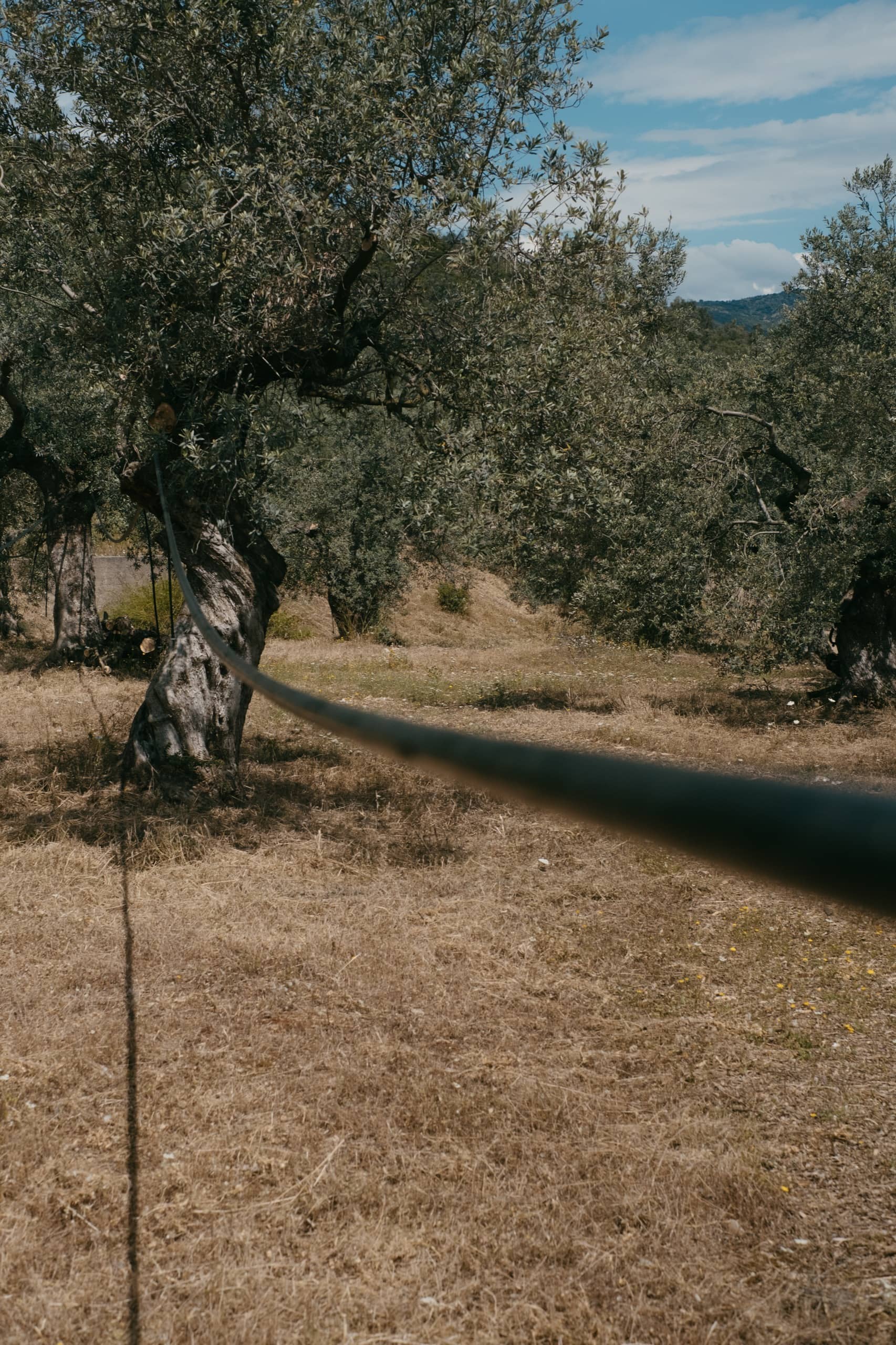
In collaboration with the Agriculture Cooperative of Doliana, GAIA HUB tests peer-driven regenerative practices across 15 working olive groves.
Workshops with farmers
01
Soil Sampling & Mapping
Teaching scientific soil sampling and mapping techniques within the ancient olive orchards to gather critical baseline data.
02
Seedball Creation Workshop
Initiated by a farmer’s question regarding how to sow without heavy machinery, we brought together scientists, cooperative farmers, and local school children to mix soil, clay, and seeds into small balls. These seedballs allow for plant dispersal without plowing, mimicking natural regeneration to boost soil health and biodiversity.
03
Active Biochar
Designed to address degraded, thirsty topsoil and manage agricultural waste, participants utilized a field-scale biochar pit to burn pruned olive branches infected with fungi (“olive cancer”) at a high heat with restricted oxygen. This neutralized pathogens and produced a highly porous, clean carbon structure. The raw biochar was then “charged” by mixing it with nutrient-dense manure and compost to inoculate it with beneficial bacteria before being buried along the root zones of olive trees to act as a permanent, moisture-retaining battery.
04
Inverted Hugelkultur Swale
Focused on landscape water harvesting, farmers used an A-frame tool to map contour lines and excavated small canals. These trenches were filled with “lasagna layers” of healthy pruned olive branches, rich leaves, and animal manure, then capped with earth and a protective cover of straw. These swales act as lines of defense against drought and erosion, holding moisture and slowly fertilizing the olive groves for 5–10 years.
05
Landscape Water Harvesting Micro-Catchment (Crescent Moon)
Zooming into individual tree care, this workshop involved building up crescent-moon-shaped micro-catchments on the downhill side of olive trees using layered healthy branches, small rock walls, manure, and old leaves, capped with topsoil. This technique creates a shallow basin that captures sheet flow, delivering moisture directly to each tree’s root system.
06
Dry Stone Wall Maintenance
We explored the construction and repair of traditional dry stone structures with a master stone mason. The workshop highlighted how these walls protect agricultural ecosystems by containing topsoil, creating beneficial insect microhabitats for natural pest management, slowing rainwater runoff to prevent desertification, and acting as natural firebreaks.
Results from pilot farms
Coming soon